
Interview with Ashwaq Najjar about The Settler
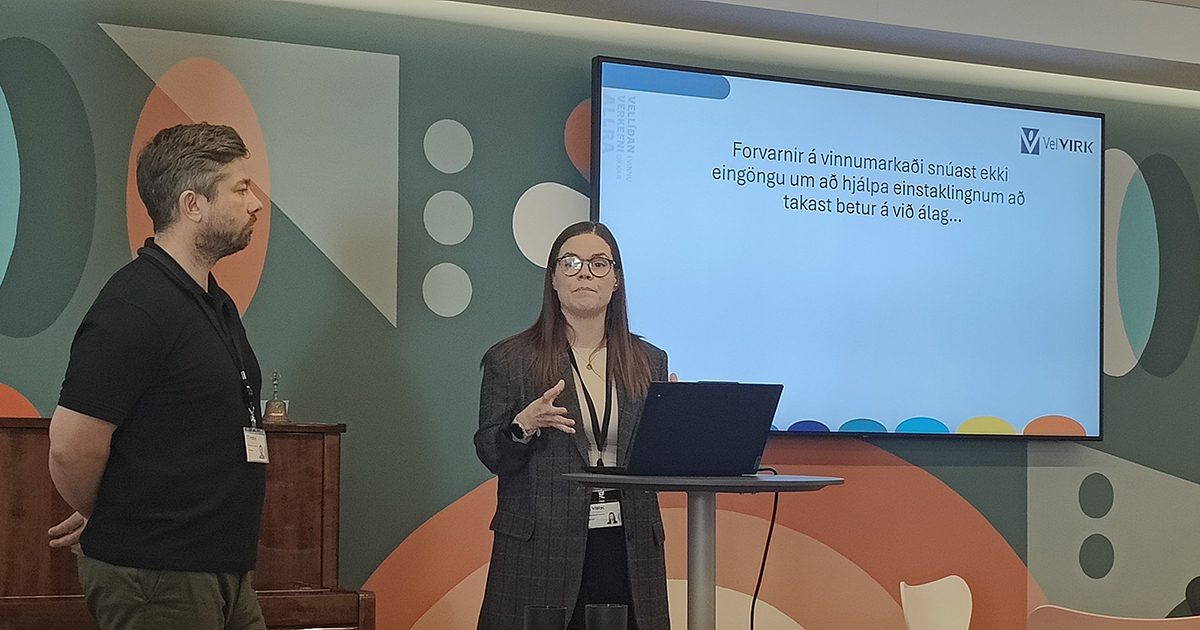
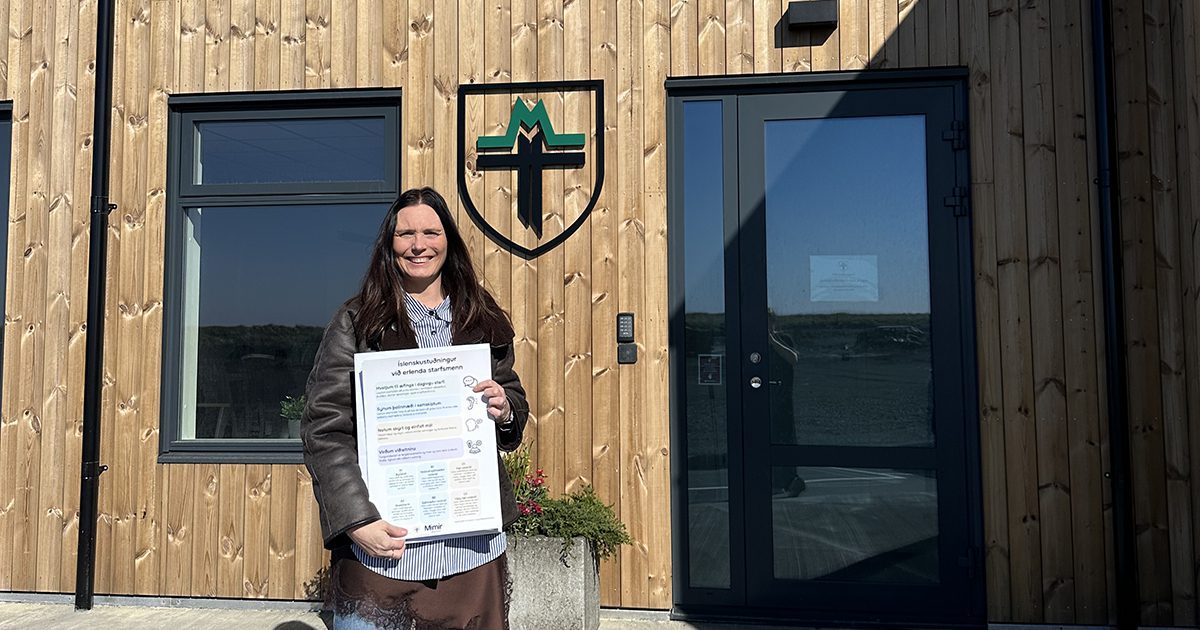
We are continuing to observe like a fly on the wall at a Social Studies course for Arabic-speaking students, which is currently being held at Mími. It is Ashwaq Najjar who teaches the course at Mími, educating students about Icelandic society and its composition in various fields. We dropped in on one of her classes and asked her about the importance of the teaching and what students get for their money.
Why is it important to have a course like The Settler accessible to foreigners? „The need for a course like this stems from the need for immigrants to gain knowledge. Knowledge of how the country and its people work. That includes the history, the culture, customs, and most importantly, the country's laws and regulations,“ says Ashwaq. She continues, saying that when students have the opportunity to learn these aspects, it is easier for them to understand their rights and responsibilities. This lays a cornerstone for integrating into society. „It's like handing newcomers an easy-to-understand roadmap that guides them to the exact information they need. The course answers most of their questions and provides them with information on where to find reliable information in the future, for example, via the internet.“
How do you like Iceland?
Probably one of the most overused phrases by the locals, which most people who come here, for a longer or shorter period, get to hear. We interpret it and ask; What do participants find most interesting about the country and its people? And in your opinion, what is the most important part of the course?. „This is a difficult question that cannot be answered definitively,“ says Ashwaq, smiling. „All the course material is, of course, both exciting and important. But the need for specific knowledge varies between participants, and so some parts of the course are more interesting for one person than for another. For example, participants who are parents are interested in information about school and nursery matters, whereas younger participants are interested in where they can get an education or a job,“ says Aswaq, emphasising that the course is diverse and caters to a broad range of people.
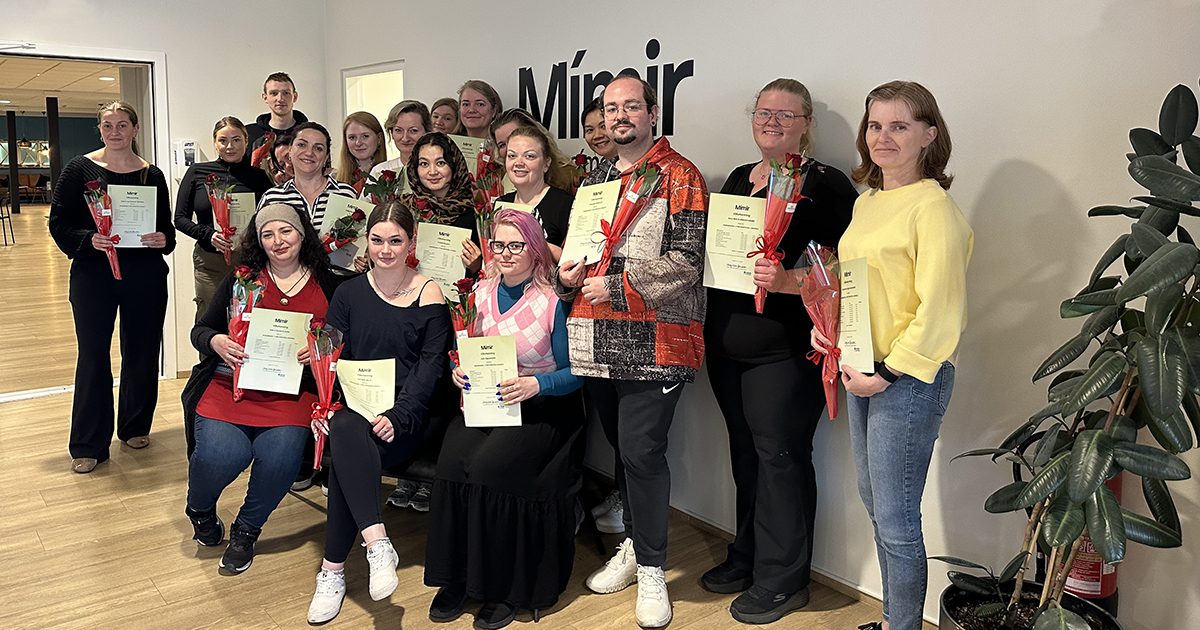
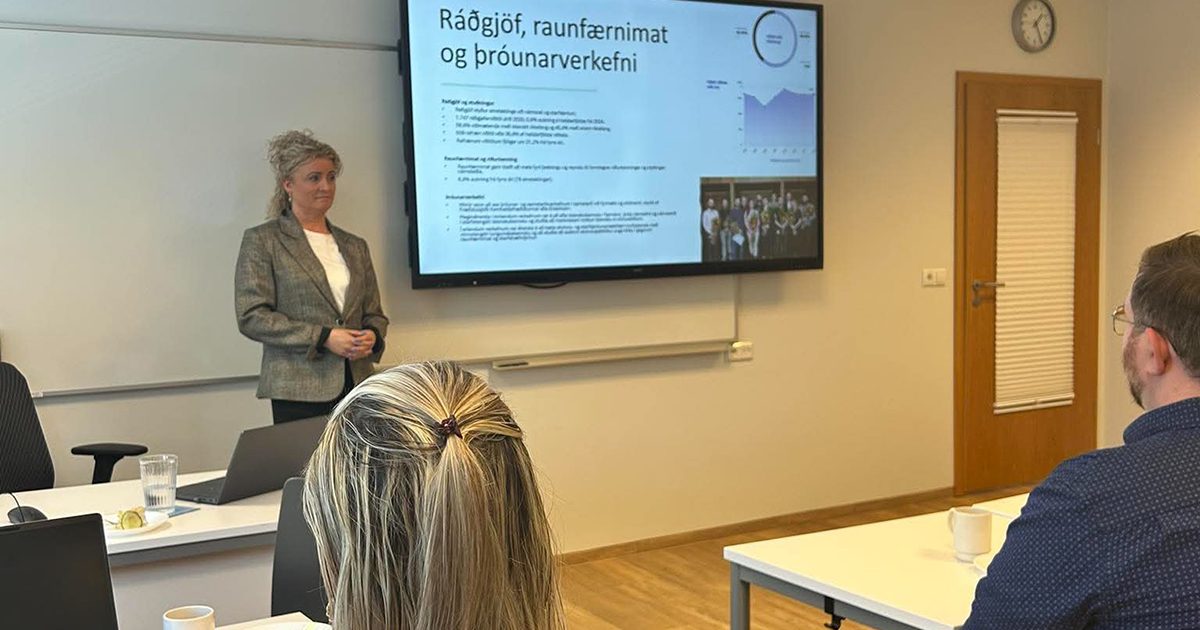
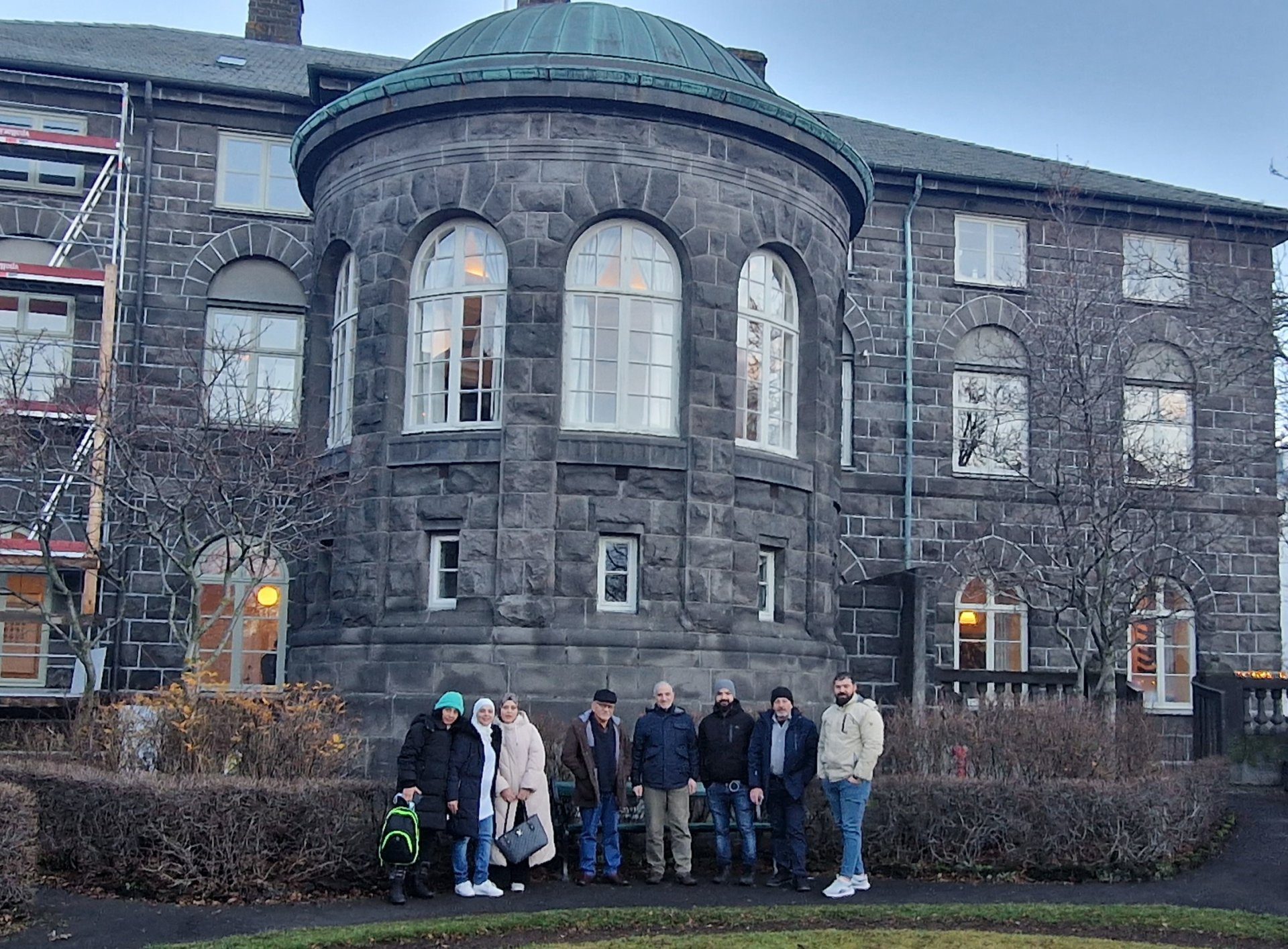
The accompanying pictures give a good idea of how varied the course is and how it's structured, but each session is different. In the session that just took place, we were, among other things, going over practical websites and Facebook groups that it's good to know about. Brask and Brall was one such site that some were interested in using to invest in a vehicle. „We're trying to get involved in the community. This is part of that," says Aswaq. Aswaq also wants to finally point out that the course is important and necessary. The teaching facilities, the teaching methods and all the field trips matter and contribute to a deeper knowledge of the country's culture and history.