
The competency assessment gave me self-confidence.
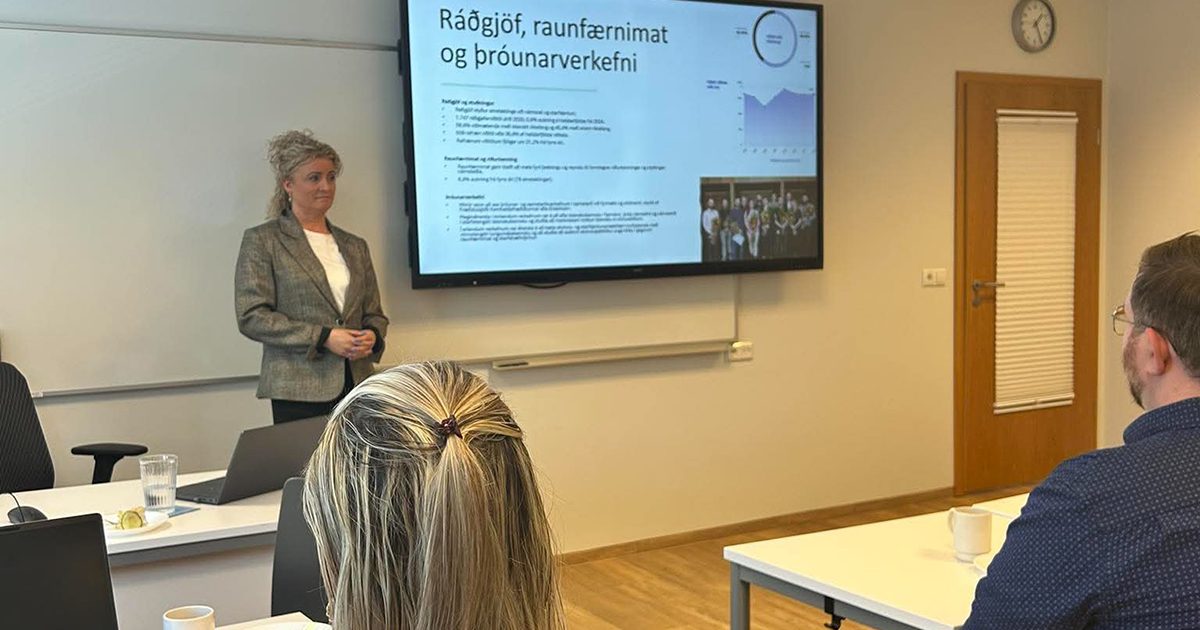
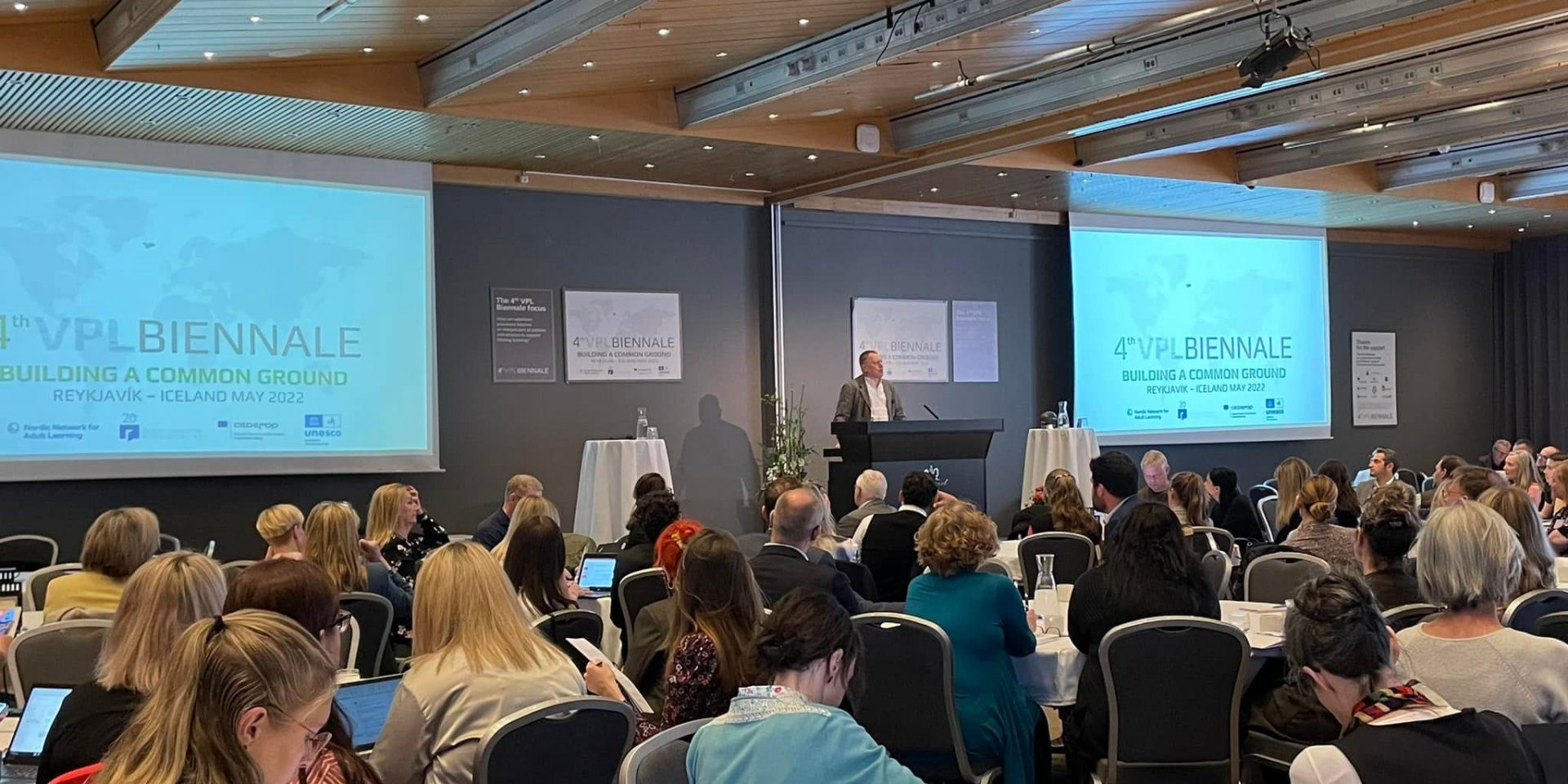
The Icelandic Centre for Continuing Education (FA), in collaboration with the Nordic Network for Adult Learning (NVL) and CEDEFOP, held a two-day conference on ways to make individuals' competence more visible, including through validation of prior learning. 'Recognition of prior learning' refers to the combined skills that an individual has acquired through various means, such as work experience, apprenticeships, informal learning, formal education, etc. In total, around 250 participants attended the conference from approximately 27 countries.
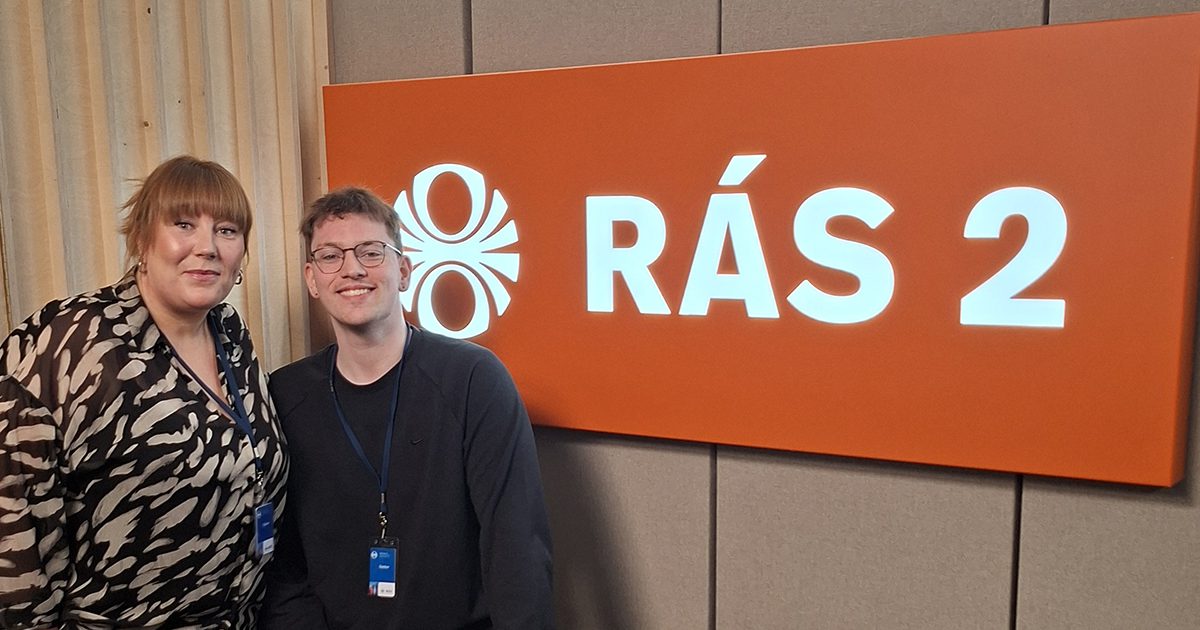
Jón Gnarr, a former mayor and multidisciplinary artist, gave a very moving speech at the conference in which he said, among other things: „The validation of my practical skills gave me self-confidence. You saw an opportunity when I only saw chaos and shame.“ Following the conference, Jón appeared on the radio programme Síðdegisútvarpið and spoke about his personal experience with the competency-based assessment. „They took all the evidence, my education, courses, and so on, and calculated its equivalent in secondary school credits. I started to get an overview of something that had been in undefined heaps in my mind and in my life.“
The interview can be accessed at the bottom of the article and listened to from minute 49:30.
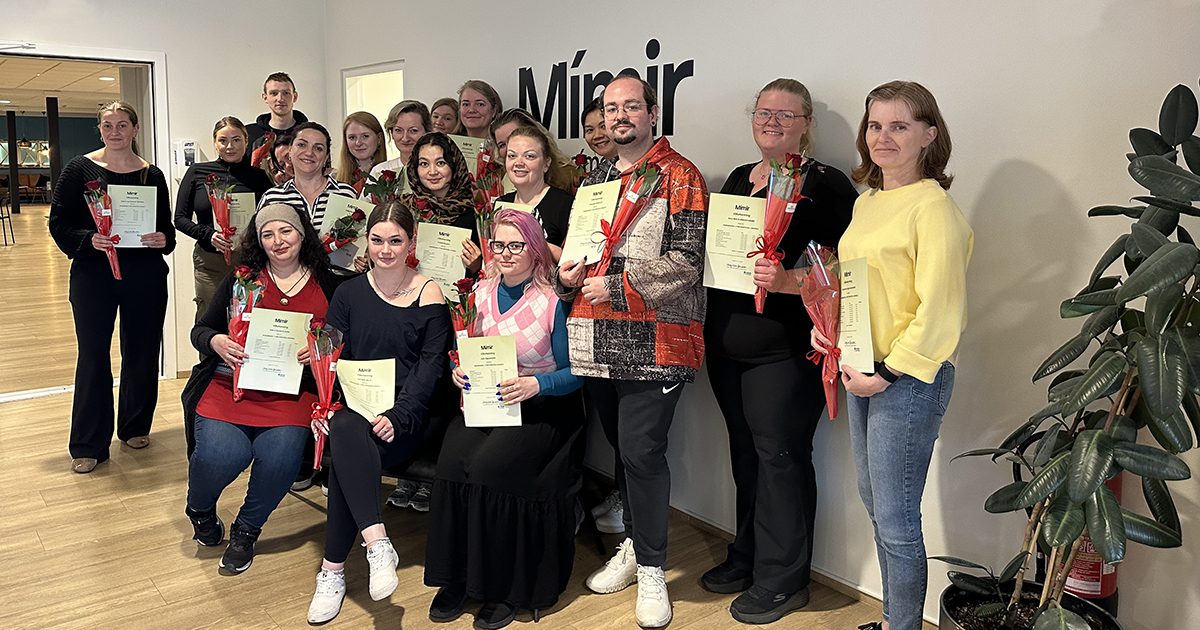
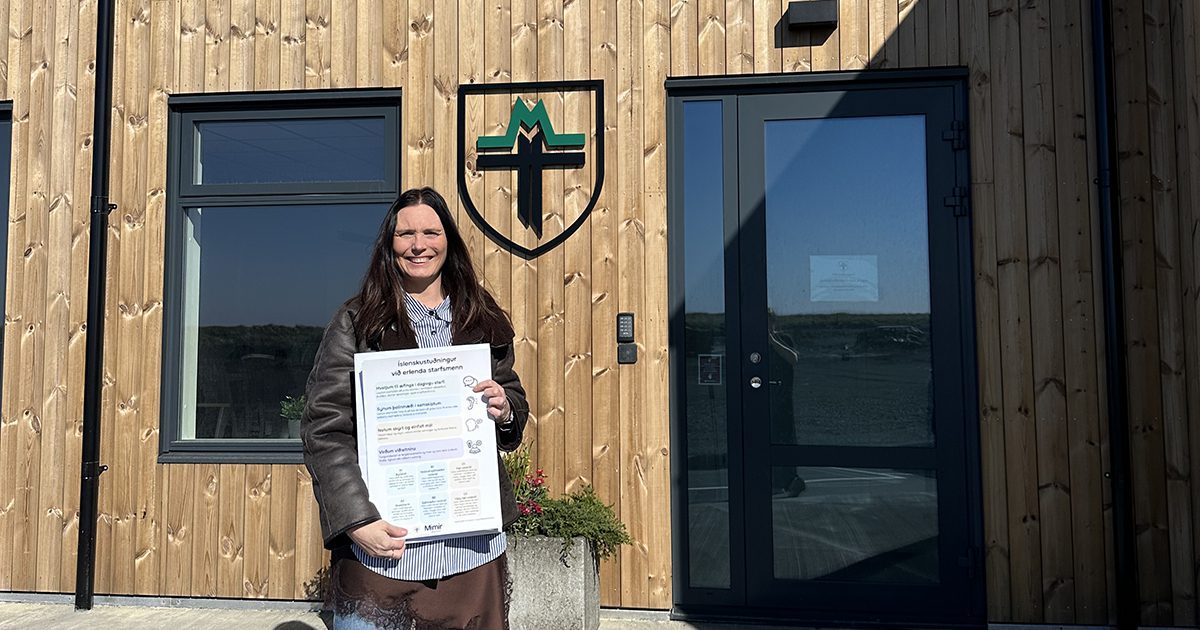
In a conversation with Kristín Erla Þráinsdóttir, a careers adviser, it emerged that many share a similar story to Jón's. „We in the profession see numerous individuals who have a similar story. For example, people who have worked for a long time in nurseries or in care and do not realise the considerable skills and knowledge they have acquired in their work. Mímir is, for example, offering a competence-based assessment for nursery assistants, social workers, community and leisure workers, and support workers, which will be launched this autumn 2022. Further information can be found here: Competency assessment.
Kristín goes on to say that it is very important to discuss the competence-based assessment and enable people to have their skills recognised. With a competence-based assessment, we are opening doors for people who have acquired skills through other means. in various ways, such as work experience, apprenticeships, part-time study, full-time study, community involvement, living abroad and family life. A competency assessment provides confirmation of an individual's skills, regardless of how they have been acquired. The results of a competency assessment are used to shorten training or to demonstrate and enhance skills in the workplace.the second.