

Icelandic language teaching is modern
Icelandic is my passion. It is also my second language. Learning Icelandic, like learning any other language, is a process and is not confined to a specific course, textbook, school or period. It is a collaborative effort involving many stakeholders. The learner who has goals, interest, time and energy to learn Icelandic. The teacher who demonstrates learning strategies, encourages learning, and provides tools and resources for learning Icelandic. The neighbour who says good morning and helps with a bit of small talk in Icelandic. The customer service representative who doesn't immediately switch to English when they hear an accent or don't understand everything. The employer who creates an encouraging environment for learning and using Icelandic. The community that shows patience. It takes time to learn Icelandic. It doesn't have to be perfect; Icelandic comes in all forms. Governments that invest in the sector to create a better framework, curriculum, to train and create a better working environment for Icelandic language teachers (the vast majority, if not all, are contractors with no job security), lower the price of courses and reduce group sizes. I say this as a student of the Icelandic language for 18 years, because I have by no means stopped learning.
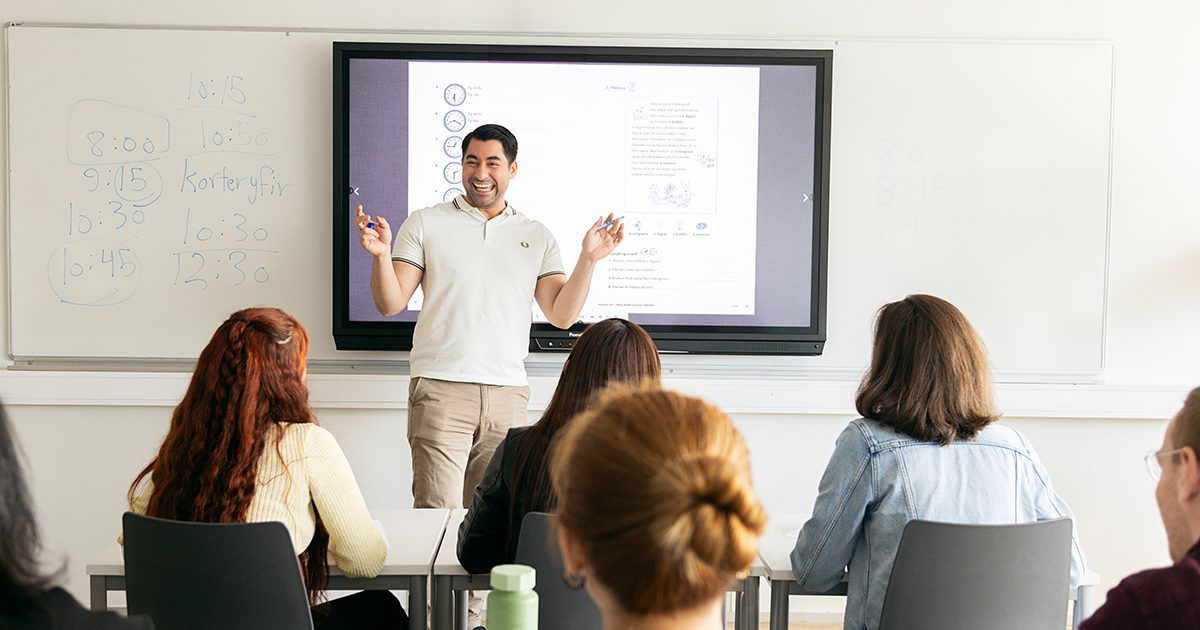
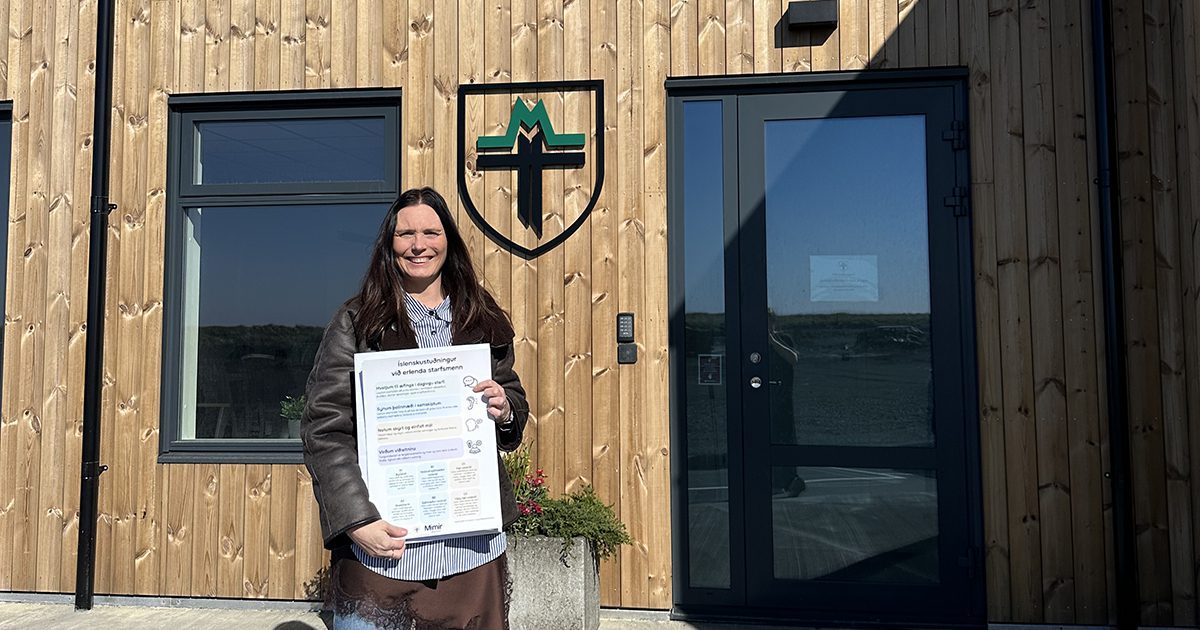
I am also an Icelandic teacher. The groups who learn Icelandic are made up of all sorts of people: some with a history of trauma, bad experiences in the school system, a long break from their studies, average people, and so on. Students of Icelandic as a second language are not all language geniuses with university degrees who find learning easy. In teaching, everyone needs to be taken into account, and there is no one-size-fits-all approach. I am also a project manager at Mímir Lifelong Learning, so I know the field from many perspectives.
Although there is room for improvement, we must not forget what is being done well and deserves praise. There are Icelandic companies that are ambitious about supporting their employees to learn Icelandic, and do so during working hours. One such example is Landspítali – a university hospital that has for many years supported its staff through the LSH and Mímir Icelandic schools. This is where ambitious work is carried out, with students receiving high-quality teaching in work-related Icelandic, which they then use at work with the support of their managers and colleagues. I am responsible, among other things, for developing and organising courses for companies. I liaise with many companies that want to do right by their staff, investing in them by purchasing general or work-related Icelandic courses. We work together to find solutions and tailor the course to the needs of the staff and the workplace. We offer flexible learning, face-to-face tuition, online learning and a blended approach, depending on what is most suitable. This trend is here to stay, and we should embrace it.
Mímir is in step with the times, the language, and, most importantly, the people who need to learn Icelandic. It is important that they feel welcome, that the teaching is good, and that everyone leaves with more words and opportunities in Icelandic society, in Icelandic.
Joanna Dominiczak, Project Manager at Mími.