
Ómar F. Ahmed, 2023 Adult Learning Role Model
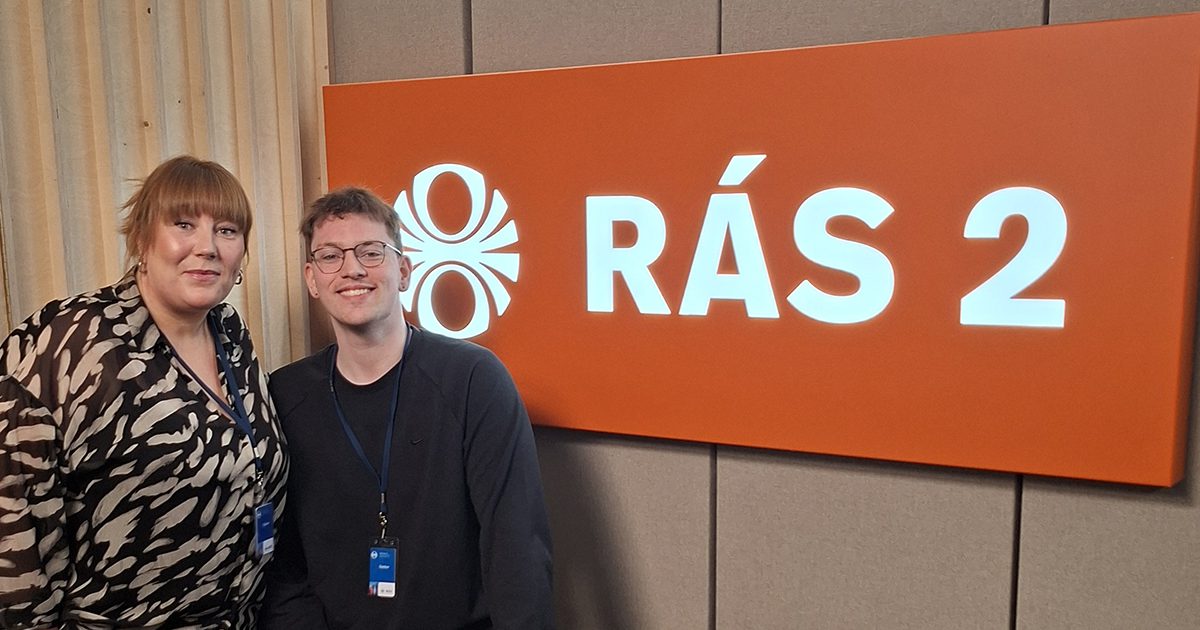
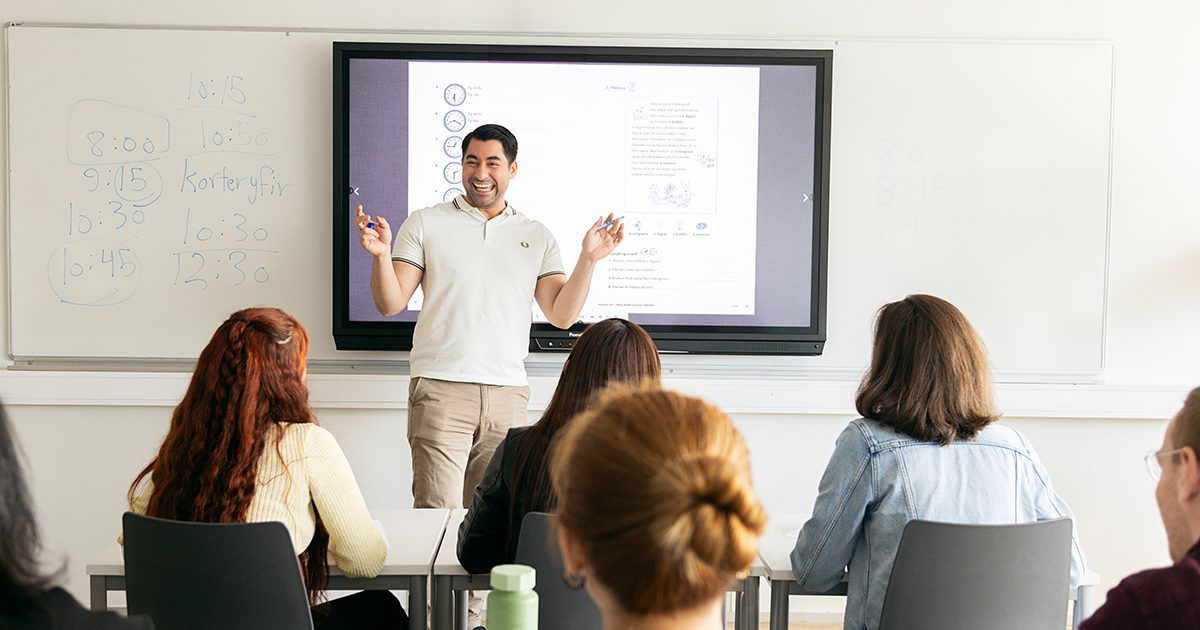
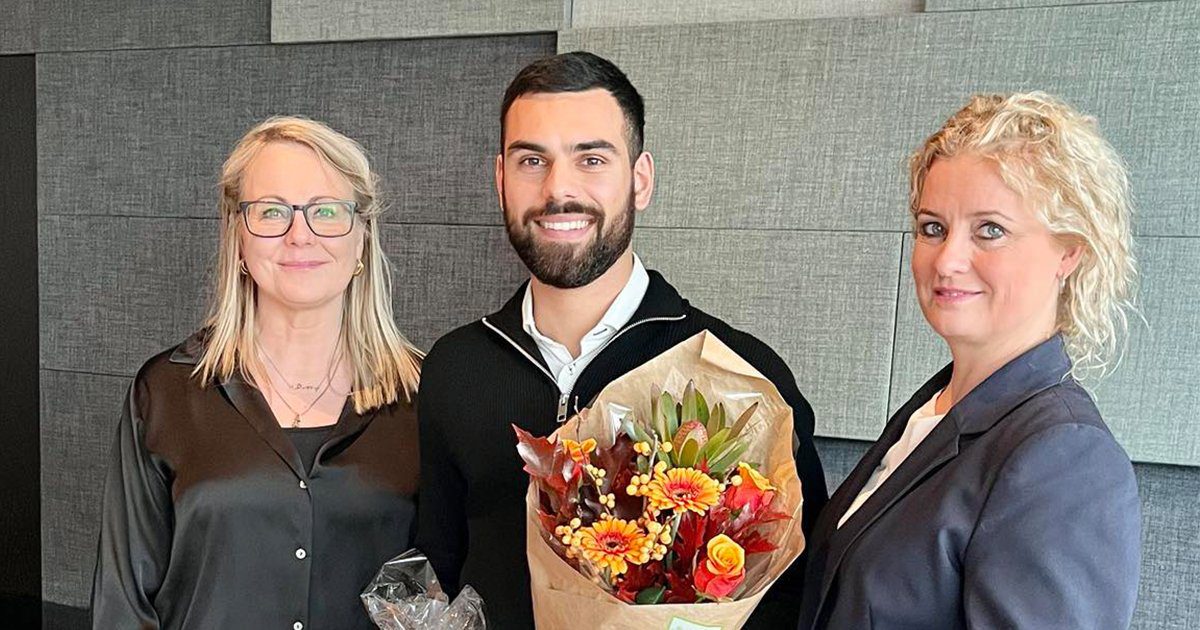
Today, a former student of Mímir, Ómar F. Ahmed, received the recognition of the Training Centre for the Business Sector as Model in Adult Learning 2023. The award was presented at Annual meeting of the Centre for the Education of the Business Sectorwhich took place today at the Grand Hotel under the title 'Rich in Experience – Let's Learn from Each Other'. The award is given for improved standing in the labour market and in education, and nominations came from far and wide. In addition to Ómar, Beata Justyna Bistula and Pétur Erlingsson also received an award.
About Ómar
Ómar is a former student at Mímir's Educational Centre. He is 24 years old, but he dropped out of secondary school when he was younger after he lost interest in his studies. Last year, he developed an interest in becoming a teacher and, following a recognition of prior learning assessment with Mími, he began a course in the Mími Education Centre, graduating in spring 2023. Today, Ómar is studying on the Keilir University Bridge Programme. He is aiming to study for a teaching qualification at the Faculty of Education, University of Iceland. While studying at Menntastoðir, Ómar also decided to take a competency-based assessment to become a support assistant. „I knew more than I thought about what my job entailed, and I flew through it,“ are Ómar's words about his experience with the competency-based assessment, reflecting the experience of many others who have gone through it.
Ómar is an exceptionally accomplished individual with valuable experience that he is ready to share with others. We wholeheartedly congratulate Ómar on this recognition and look forward to following his future endeavours.
Annual Meeting of the Centre for the Continuing Education of the Business Sector
The focus of the annual conference of the Training Centre for the Business Sector was, this time, to highlight the importance of an active skills strategy in Iceland and the benefits for both individuals and the business sector. Reference was made to the European Union's competence strategy, which states that the best investment for the future is an investment in people, and that competence and education are the driving forces behind competitiveness and innovation. The right to lifelong learning is crucial. The labour market is changing rapidly, and in many European countries, approaches to training and education are being re-evaluated with inclusion as a guiding principle.
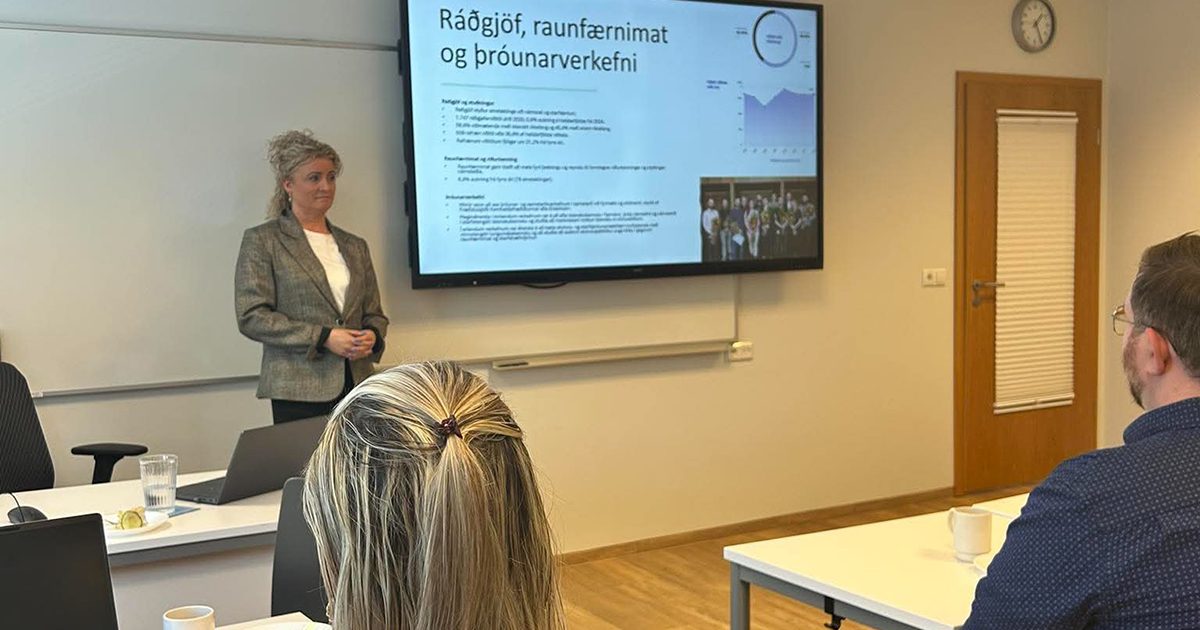
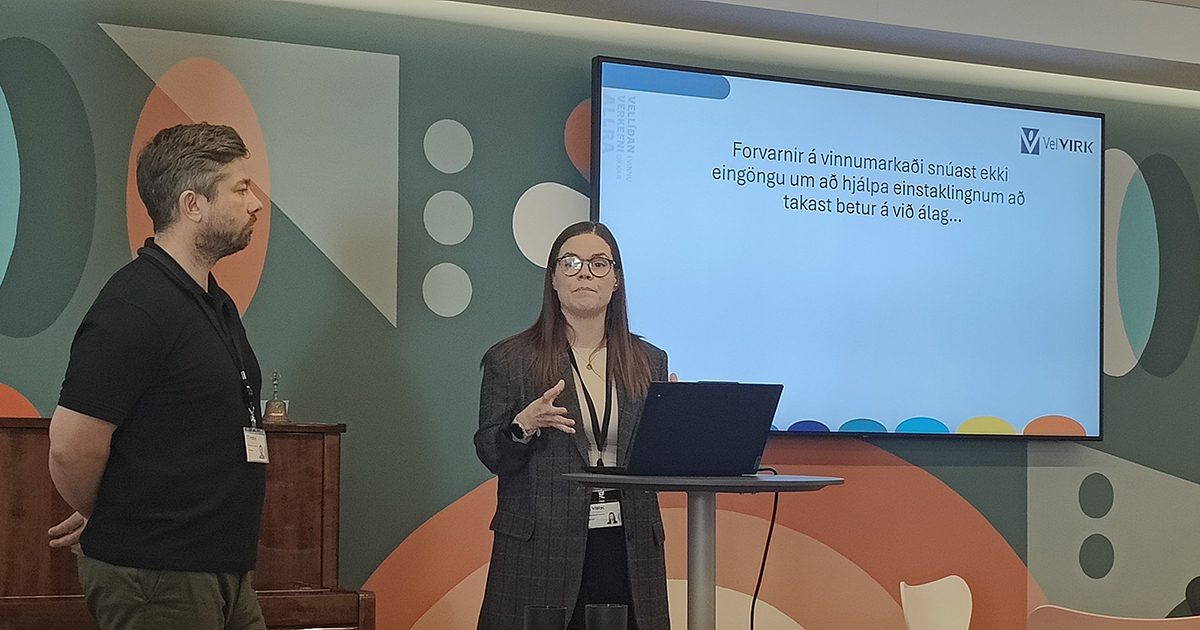
The meeting began with a speech from Guðmundur Ingi Guðbrandsson, Minister for Social Affairs and the Labour Market. Maj-Britt Hjördís Briem, Chair of the Training Centre for the Business Sector and a lawyer at the Business Association, spoke about skills assessment for the future. Berglind Rós Magnúsdóttir, a professor at the University of Iceland, spoke about the ongoing work on the revision of the Act on Further Education. Elisabeth Bøe, a consultant in the department for skills development in the labour market at the Norwegian Agency for Quality Assurance and Certification, spoke about projects and tools to promote adult learning and increase participation in lifelong learning. Finally, Anna Kahlson, a specialist at the Swedish University of Professional Studies, spoke about the value of an efficient and flexible supply of skills in relation to transformation, retraining and skills development in Sweden.