
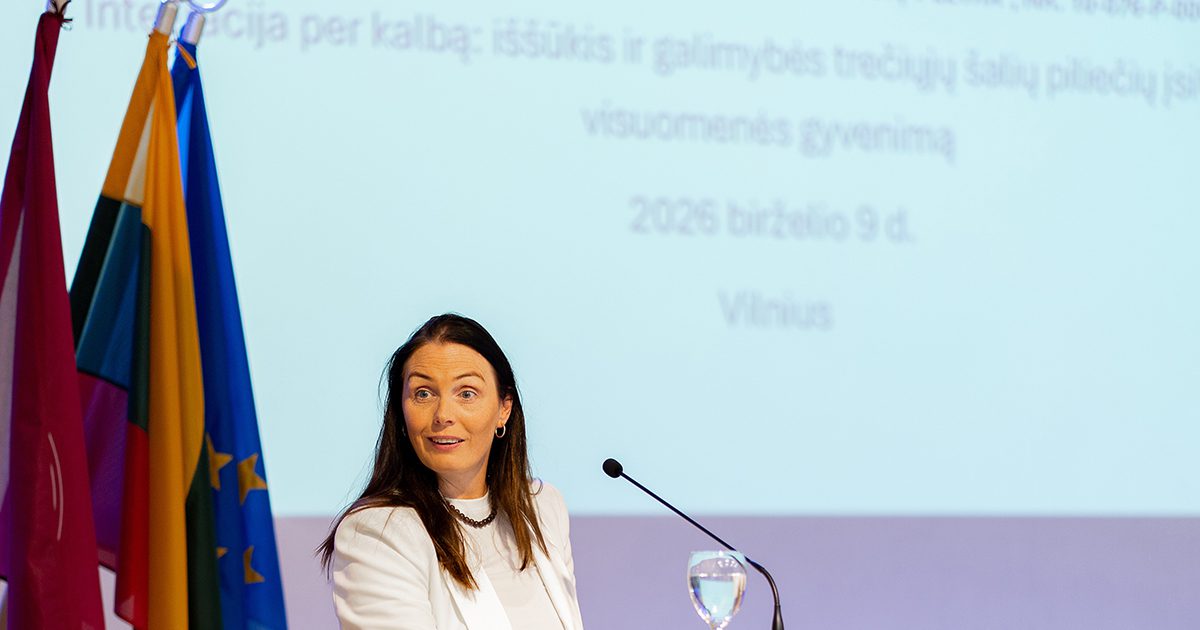
Mímis's experience of Icelandic as a second language presented at an international conference in Lithuania
Maria Stefanía Stefánsdóttir, Head of the Icelandic Language Programme and International Cooperation at Mímir Lifelong Learning, recently took part in an international conference on language learning and the integration of immigrants, which was held in Vilnius, Lithuania.
The conference was entitled 'Integration through Language: Challenges and Opportunities for the Inclusion of Third-Country Nationals in Society' and was organised by the Vytautas Magnus University Education Academy. It brought together experts, teachers, researchers and administrators from several European countries to discuss the role of languages in the inclusion and participation of immigrants in society.
In her lecture, María Stefanía discussed the status of Icelandic as a second language in Iceland, the development of immigration, and the role of adult education in supporting language learning and social participation.
Special emphasis was placed on Mímis's activities in the field of Icelandic language learning, Icelandic language teaching in the workplace, flexible learning pathways, and collaboration with the business community. The discussion also covered how Icelandic society has changed in recent years, the increased demand for Icelandic language courses, and the challenges involved in coordination, quality assurance, and providing access to courses for a diverse group of adult learners.
The conference also provided an opportunity to learn about the approaches of other countries, including Denmark, Lithuania and the Czech Republic. The discussions at the conference showed that many European countries face similar challenges when it comes to language learning, inclusion and the participation of immigrants in society. Of particular note was the diversity of approaches countries take in organising language teaching for adult immigrants. While Denmark has developed a more coordinated system with clearer requirements and a link to public policymaking, many of the issues discussed in Lithuania and the Czech Republic were comparable to the challenges that Iceland faces today.
Mímis participation in the conference is part of the institution's ongoing international cooperation and an important opportunity to share Icelandic experience, learn from others and strengthen ties with partners across Europe.
„It was both enjoyable and educational to have the opportunity to present our work and engage in a dialogue with experts from other countries. The conference provided a good insight into how different countries approach language learning and the integration of immigrants. Despite the different systems and circumstances, it was clear that many of the issues we face in Iceland are also being discussed elsewhere in Europe,“ says María Stefanía Stefánsdóttir.
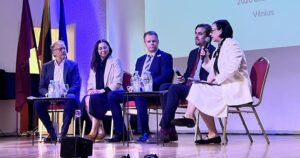
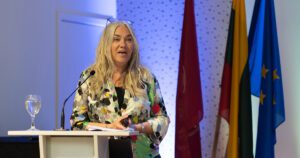
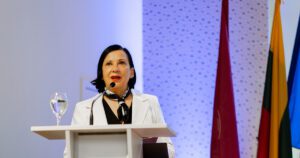
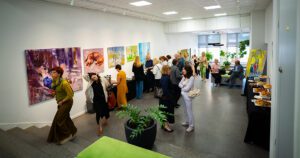
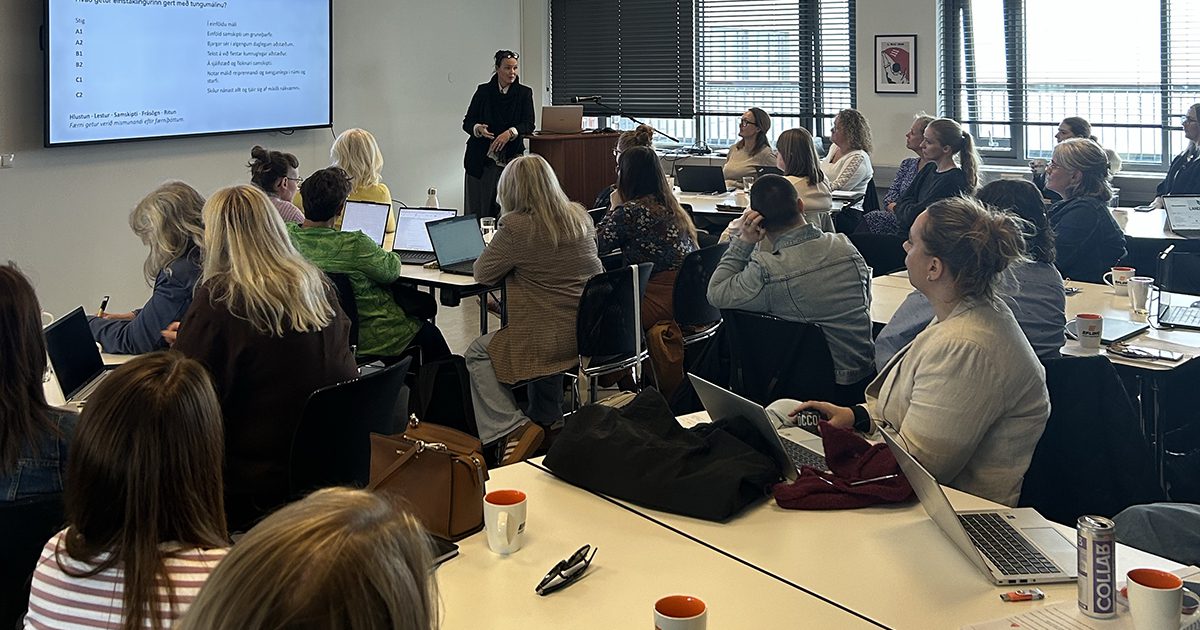
Here are some pictures from the conference.